



Are Prebiotic Drinks Good for You?
Key Takeaways:
Prebiotic drinks are everywhere right now, from colorful cans of prebiotic soda to trendy “gut health drinks” promising better digestion and balanced energy. But with so many wellness beverages hitting the shelves, it’s fair to ask: are prebiotic drinks actually good for you?
The short answer: they can be, especially when used as an alternative to sugary sodas. Many prebiotic drinks provide fiber that supports beneficial gut bacteria while delivering fewer calories and less added sugar than traditional soft drinks.
Still, like most nutrition trends, the real story is a little more nuanced. Let’s take a closer look at what prebiotic drinks are, their potential benefits, and how they can fit into a balanced lifestyle.
What Are Prebiotic Drinks?
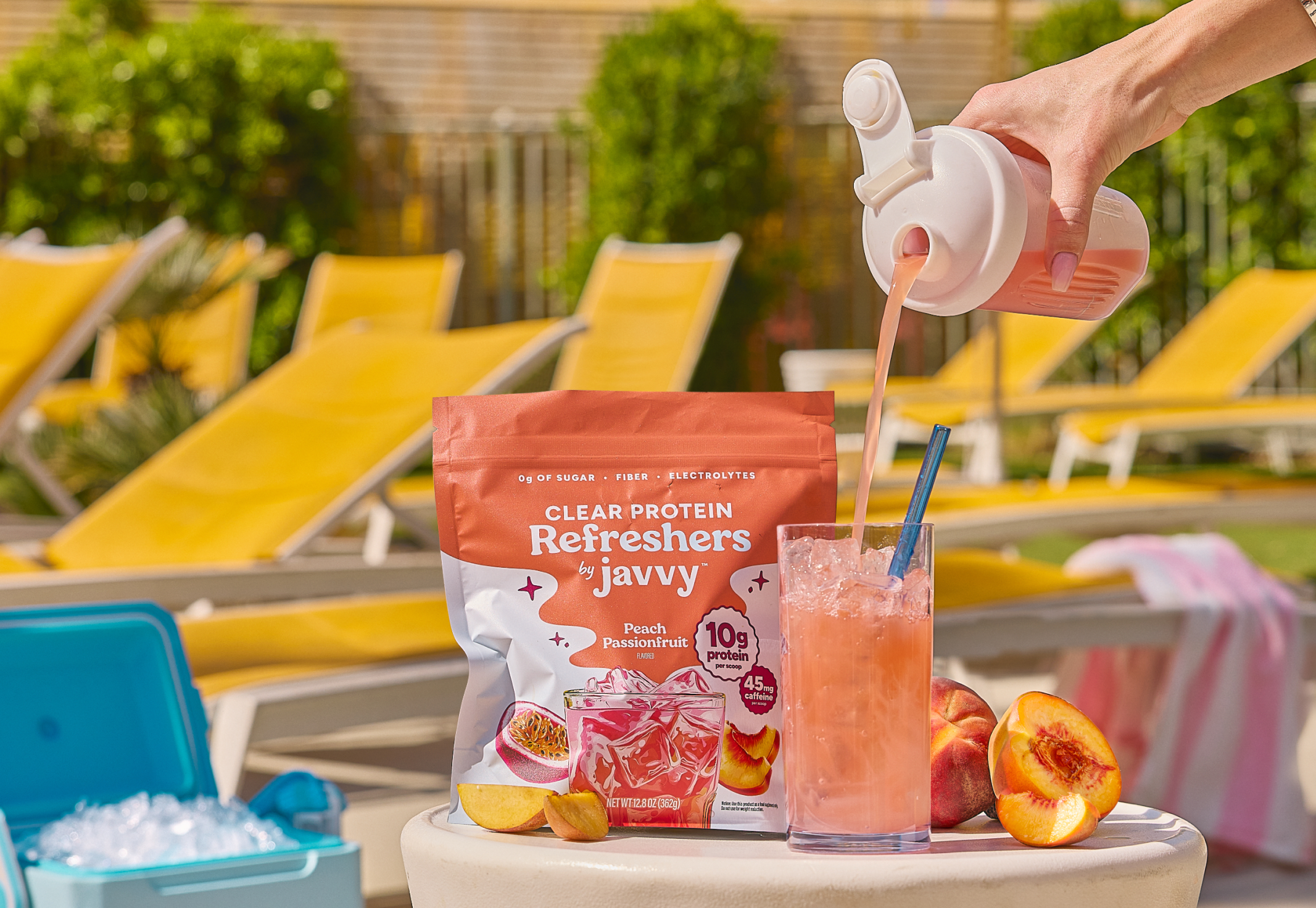
Prebiotic drinks are beverages fortified with non-digestible fibers, often from ingredients like inulin, chicory root fiber, or other plant-based fibers. These fibers aren’t broken down by your digestive system. Instead, they serve as food for beneficial bacteria in your gut.
In simple terms, prebiotic drinks help feed the good bacteria in your microbiome, which can play an important role in digestion and overall health.
This category includes a wide range of beverages, such as:
While the idea is appealing, the health impact of prebiotic drinks depends on factors like fiber type, fiber amount, and the rest of your diet.
What Are the Potential Health Benefits of Prebiotic Drinks?
So, are prebiotic drinks good for you from a health perspective? Research suggests they may offer a few helpful benefits, especially when combined with a balanced diet.
Support for Gut Bacteria
Prebiotics are best known for supporting the gut microbiome. These fibers help beneficial bacteria grow and thrive, which may contribute to better digestive health.
A healthier microbiome has been associated with support for digestion, immune function, and overall metabolic balance.
Possible Digestive and Metabolic Support
Some studies suggest that prebiotic fibers may help:
These effects tend to be most noticeable when prebiotics are consumed as part of a fiber-rich diet, not as a standalone solution.
Lower Sugar Compared to Soda
One of the biggest advantages of many prebiotic sodas is that they often contain far less added sugar than traditional soft drinks.
For example, a typical 12-ounce soda can contain around 40 grams of added sugar, while many prebiotic sodas contain around 2-5 grams. This makes them a practical option for people trying to reduce sugar intake without giving up fizzy drinks entirely.
How Do Prebiotic Drinks Compare to Sugary Sodas?
One of the easiest ways to understand the value of prebiotic drinks is to compare them directly with traditional soda:
While prebiotic drinks aren’t exactly the same as eating fiber-rich foods, they can offer a meaningful improvement over high-sugar sodas.
Another benefit is that many prebiotic drinks are free from artificial sweeteners, which some people prefer to avoid.
How To Incorporate Prebiotic Drinks Into a Balanced Diet
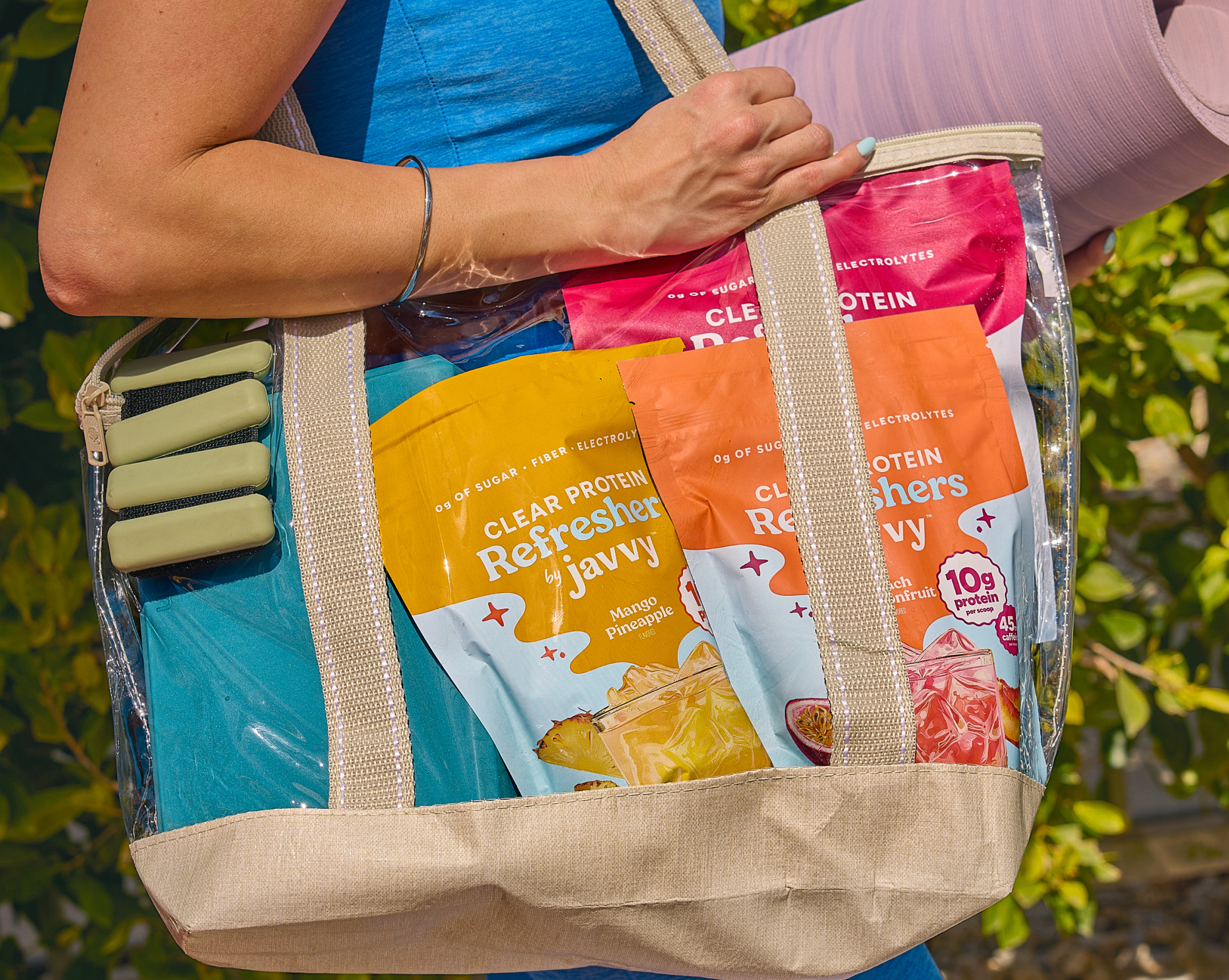
Like any functional beverage, prebiotic drinks work best when they’re used thoughtfully.
Experts generally recommend thinking of them as a supplemental beverage, not your main source of fiber.
Here are a few simple tips to help incorporate them into a healthy routine.
1. Check the Nutrition Label
Look for drinks that provide fiber with minimal added sugar and simple ingredient lists.
2. Start Slowly
If you’re not used to eating extra fiber, start with half a serving. Increasing fiber too quickly can cause bloating or digestive discomfort.
3. Pay Attention to Your Body
Everyone’s digestive system responds differently to fiber. If you notice gas or stomach upset, reduce your intake and increase gradually.
4. Prioritize Whole Foods
While fiber beverages can be helpful, whole foods like fruits, vegetables, legumes, and whole grains should remain your primary source of dietary fiber.
5. Use Them as a Soda Swap
One of the easiest ways to benefit from prebiotic drinks is to simply replace a daily soda with a lower-sugar gut health drink.
Upgrade With Javvy
Functional beverages are all about finding simple ways to fuel your day without extra sugar or unnecessary ingredients.
At Javvy, we offer better-for-you upgrades to your favorite beverages that support energy, flavor, and convenience in everyday routines.
Instead of sugary café drinks, Javvy offers options like protein coffee, which combines bold Arabica coffee with protein and functional ingredients for a more balanced boost.
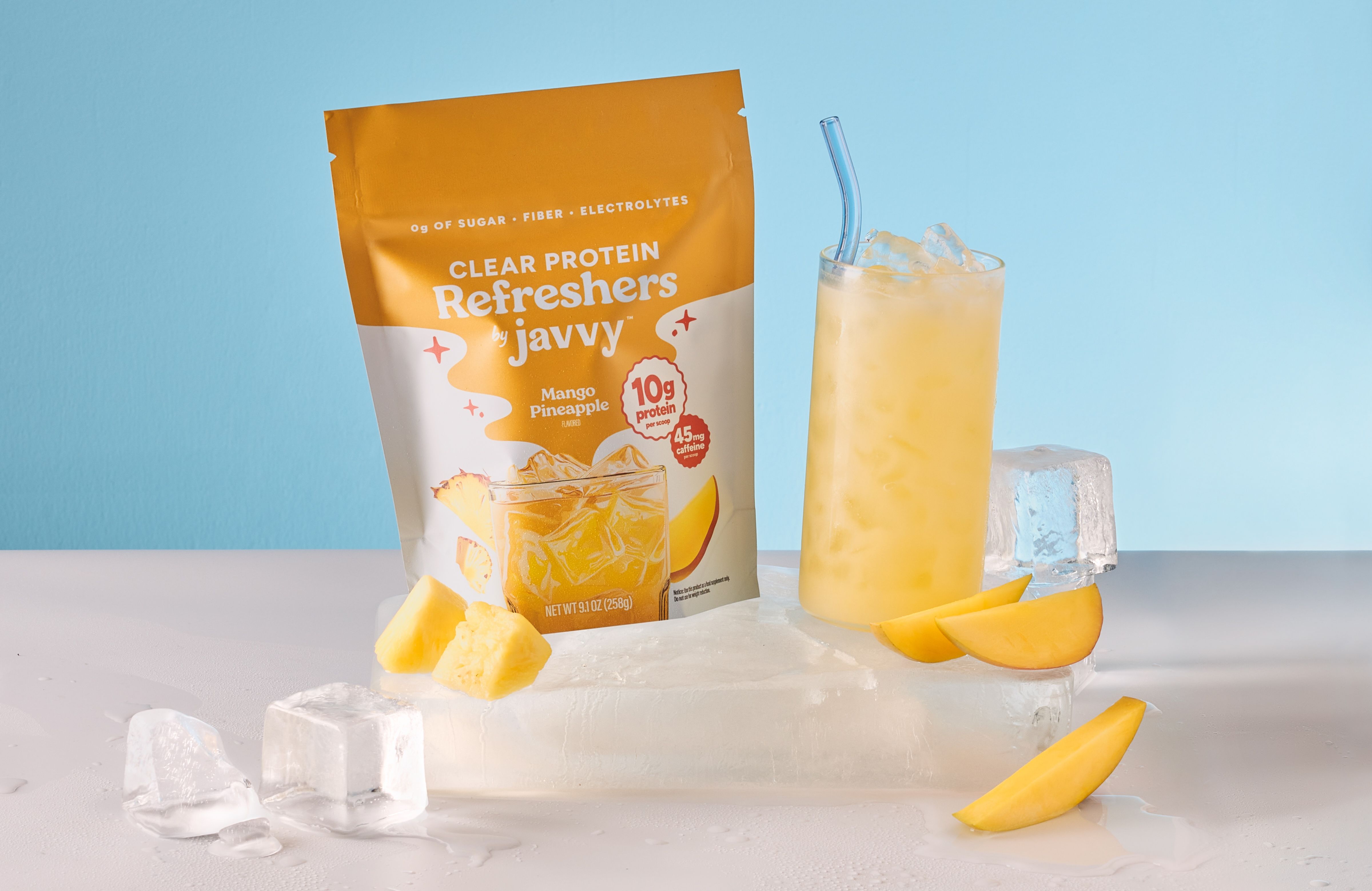
And if you’re looking for a prebiotic boost in your pick-me-up, our Protein Refreshers have 3g of fiber along with 10g of clear protein, balanced electrolytes, and 45mg of caffeine for lasting nourishment and a light boost.
Final Thoughts
So, are prebiotic drinks good for you? For many people, the answer is yes, especially when they replace high-sugar sodas.
Prebiotic drinks can provide fiber that supports beneficial gut bacteria while helping reduce added sugar intake. However, they work best as part of a balanced diet that prioritizes whole foods and overall nutrition.
When used in moderation, these gut-friendly beverages can be a helpful addition to a modern wellness routine, offering a refreshing way to support healthier habits without giving up the drinks you enjoy.
FAQs
What are prebiotic drinks?
Prebiotic drinks are beverages fortified with non-digestible plant-based fibers that feed beneficial bacteria in your gut, supporting digestion and overall microbiome health.
Are prebiotic drinks better than soda?
In most cases, yes. Many prebiotic drinks contain just 2-5g of added sugar compared to roughly 40g in a typical 12oz soda, while also delivering gut-supporting fiber.
Can prebiotic drinks cause digestive issues?
They can for some people, especially if you're not used to extra fiber. Starting with a smaller serving and increasing gradually can help minimize bloating or discomfort.
Do prebiotic drinks replace eating fiber-rich foods?
No. They work best as a supplement to a fiber-rich diet, not a replacement for whole foods like fruits, vegetables, and legumes.
Do Javvy Protein Refreshers contain prebiotics?
Yes. Each serving includes 3g of fiber along with 10g of clear protein, electrolytes, and 45mg of caffeine for a light, functional boost.
Sources:
Prebiotics | National Library of Medicine
Role of the normal gut microbiota | National Library of Medicine